

Using Web Forms
You can use data collected by web forms to make quicker and better-informed decisions and improve your relationships with both customers and business partners.
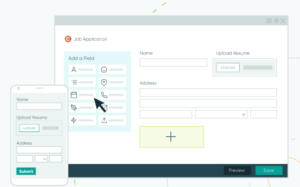
Online forms allow you to collect information quickly and easily, but when done right, they provide structure to your information. The use of structured data and analytics is no longer limited to big companies with millions in the bank. According to the latest reports, 60% of companies worldwide use data analytics to drive processes and improve cost-efficiency (MicroStrategy, 2020). But in order to fully take advantage of collecting, automating and analyzing your information, you need to know how to get the most from your data.
Structured Data
The biggest challenge is that there are just too many sources for data. A study from the Harvard Business Review discovered that data quality is far worse than most companies realize, stating that a mere 3% of the data quality scores in the study were rated as “acceptable” (Harvard Business Review). This is problematic because low-quality data adversely impacts many areas of business performance and makes automation tough. It can translate into incomplete customer data, wasted marketing and communications efforts, increased spending and poor decision quality. Improving data quality and visualization should be a top priority for all businesses that are looking to thrive.
One of the best ways to improve data quality is by creating well-structured data. (do you want <name> or <firstname> <lastname>). Other measures include what is “required” information you need from a customer, like a valid email address or what province or state they live in. These are simplistic examples, and every business collects different types of data from customers, vendors and employees all through the business cycle. Thinking this through and getting quality information up-front in a structured format opens up a new world of possibilities.
Control Your “Front Door”
This concept refers mostly to your digital front door and how information comes in. Think about a personal trainer who lets clients book sessions online. They can’t just book ANY time, there has to be a system. Most likely some other info is collected, especially for a new client. This control makes for a more seamless customer experience and is a powerful management tool for the personal trainer and their business. There are plenty of software tools out there that they can use for this and all will include some version of a calendar booking and a web form. Everything from this booking is structured.
There are countless examples of business controlling their front door with web forms. They create a better customer experience as well as provide structured information. here are a few examples:
- An accounting firm using a form for clients to submit tax documents.
- A Dentist’s office taking on a new family of patients and sending a web form link via email.
- Businesses sending performance review webforms to employees (see how we automated this).
- Contractor asking for a few basic details before providing a quote; the web form helping to calculate basic square footage and cost of the project.
What’s Next?
- Automation – Each time someone fills out a web form, that’s a trigger. Notify a person or a team, route certain info to another software or simply send a friendly thank you email. The possibilities here are almost endless.
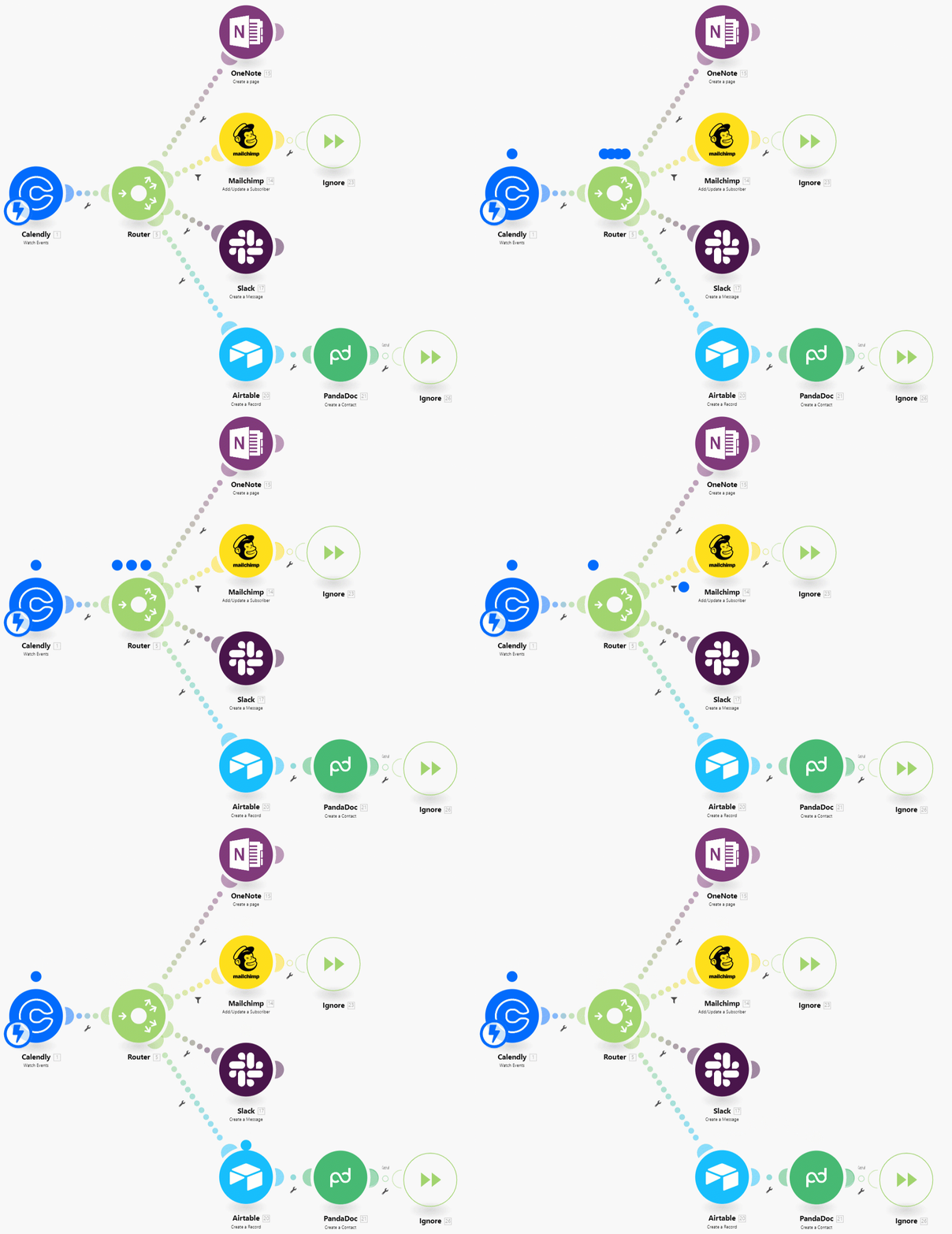
- Analysis – After enough time you have some very valuable information form you web form submissions. Where are they coming from? What time of day? This is your opportunity to extract value from your data.
We are here to help find a better way!